What Is Print Design?
Print design is the practice of creating visual communication that's built for physical reproduction rather than a screen, business cards, brochures, packaging, signage, and marketing collateral among them. It sits under the broader graphic design umbrella, but it comes with a set of production requirements digital design simply doesn't have to deal with, because the end result is a physical object, not a file.
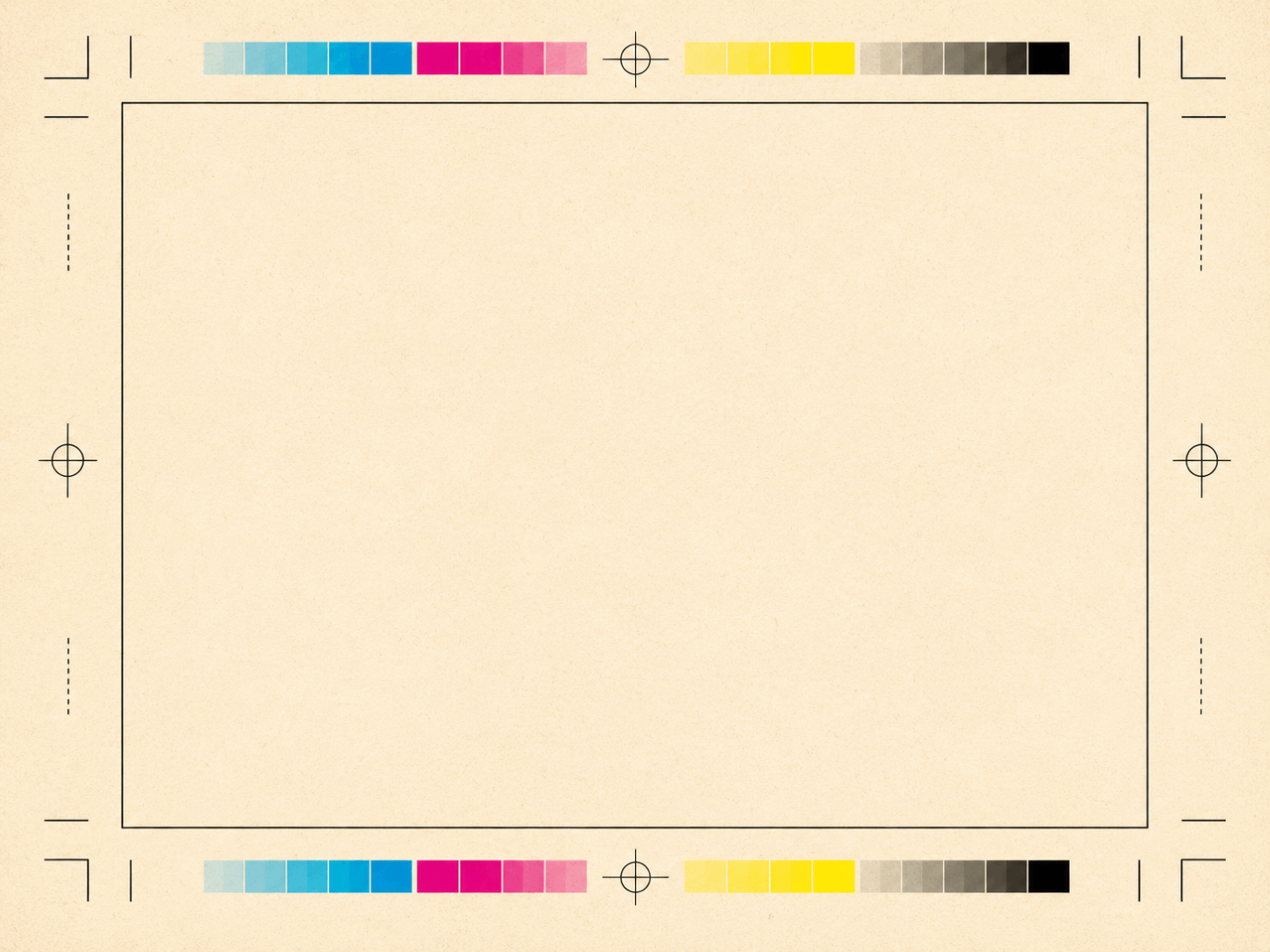
That production layer is what actually defines print design as its own discipline. A digital designer can ship a file and be done. A print designer has to think about how that file behaves once it leaves the screen: what happens at the edge of the page, how ink reproduces on a particular stock, whether a colour that looks right on a monitor will look right off a press.
- Print design covers physical, reproducible formats: business cards, brochures and flyers, packaging, signage, and marketing collateral.
- The core difference from digital design is production constraint: bleed and safe zones, CMYK colour, stock and finish choices, and physical proofing all shape a print file before it goes anywhere near a printer.
- A print file that isn't built for its output method will print incorrectly, regardless of how well it looks on screen.
- Print collateral is often one part of a broader brand identity system, not a standalone design task.
- Business cards are one specific print application. The production rules for one format don't always transfer cleanly to another.
What print design actually covers
Print design spans a wide range of physical formats, and the production requirements shift depending on which one you're working in.
Business cards, brochures, and flyers sit at the small-format end. These are typically the entry point for most businesses commissioning print work, and they follow relatively standard sizing and stock conventions. Marketing collateral, think one-pagers, sell sheets, and folded brochures, works similarly but usually needs to account for fold lines and how content reads across panels.
Packaging design is a different category again. It has to work in three dimensions, account for die-lines and structural templates, and often needs to survive handling, shipping, and shelf display, on top of communicating the brand. Signage brings its own scale problems: a design that reads clearly at business card size can fall apart at banner size, and vice versa, so print designers often have to test layouts at multiple scales before finalising anything.
Each of these formats has its own detailed production rules, sizing conventions, and finish options. Rather than covering business cards in depth here, Design Junction's business card design guide walks through Australian sizing, stock weight, and finish choices for that specific format.
What sets print design apart as a discipline
What is digital design? already covers the digital-versus-print distinction from the screen side, so this isn't a repeat of that. What's worth unpacking here is what print's physical constraints actually mean for how a print designer works.
Bleed and safe zones. Any element that's meant to run to the edge of a printed piece needs to extend past the trim line, usually by 2-3mm, because cutting tolerances mean the blade won't land in exactly the same spot every time. Miss the bleed and you risk a thin white sliver of unprinted paper at the edge. Text and other important content, meanwhile, needs to sit inside a safe zone away from the trim edge, so nothing gets clipped if the cut shifts slightly.
CMYK versus RGB. Screens display colour by mixing light (RGB). Printers reproduce colour by layering ink (CMYK). The two produce visibly different results, particularly with saturated blues, greens, and oranges, which is why a colour that looks right on a monitor can shift noticeably once it's printed. Print files need to be built and proofed in CMYK from the start, not converted at the last minute.
Stock and paper choice. The weight, finish, and texture of the paper or board a piece is printed on changes how the design reads and feels. A business card on 350gsm matte stock reads differently to the same design on 130gsm gloss. Stock choice affects colour vibrancy, durability, and perceived quality, and it's a decision that has to be made before a file goes to print, not after.
Finishes. Spot UV, foil, embossing, die-cutting, and lamination all add production steps and cost, and each one imposes its own file requirements, usually a separate layer or spot colour marking exactly where the finish applies. A designer working with finishes needs to understand how each one is applied in production, not just what it looks like in a mockup.
Physical proofing. Digital design can be checked on screen right up until launch. Print can't. Colour, stock, and finish all need to be confirmed with a physical proof before a full run goes to print, because what renders correctly on a monitor doesn't guarantee an accurate result off a press. Getting this step skipped is one of the most common ways a print run goes wrong.
Print design as part of a brand identity system
Print collateral rarely exists in isolation. Business cards, letterheads, packaging, and signage are usually one expression of a broader visual identity, applied consistently across whatever format a business needs at a given moment. What is brand identity? covers how identity systems work as a whole, colour palettes, typography, logo usage rules, and how they're meant to translate consistently across every touchpoint a brand shows up in, print included.
This is why briefing print work in isolation, without reference to the identity system it needs to sit inside, tends to produce inconsistent results. A print designer working from a proper brand identity system can apply existing rules to a new format. One working without it is effectively designing a one-off.
Frequently asked questions
- Is print design still relevant with everything moving digital?
- Yes. Packaging, signage, and physical marketing collateral haven't disappeared, and for many businesses, print remains a primary way customers encounter their brand in person. Print and digital design now typically coexist within the same brand system rather than competing for budget.
- Do I need a different designer for print work versus digital work?
- Not necessarily. Many designers work across both, but production knowledge for print, bleed, stock, CMYK, finishes, is specific and needs to be genuinely understood, not assumed. If a designer has only ever worked in digital formats, check their print production experience before briefing a print job.
- What file format should I supply for print?
- Print-ready files are typically supplied as high-resolution PDFs with bleed included, CMYK colour mode, and fonts either embedded or converted to outlines. Requirements vary slightly by printer, so it's worth confirming file specs before final export.
- Can I design something for print myself?
- For straightforward formats like a single-sided flyer or a basic business card, yes, provided bleed, safe zones, and CMYK are set up correctly. More complex jobs involving die-lines, multiple finishes, or packaging structures generally benefit from a designer who works in print regularly.
If you're weighing up how a design brief for print work should actually be scoped, About Design Junction has more on how this site approaches design content.